
Planning
What to pack for the north, from Lahore
A short packing list for Nathiagali, Naran, Swat, Kumrat, Hunza and Chitral that respects the actual temperature, not the season in Lahore.
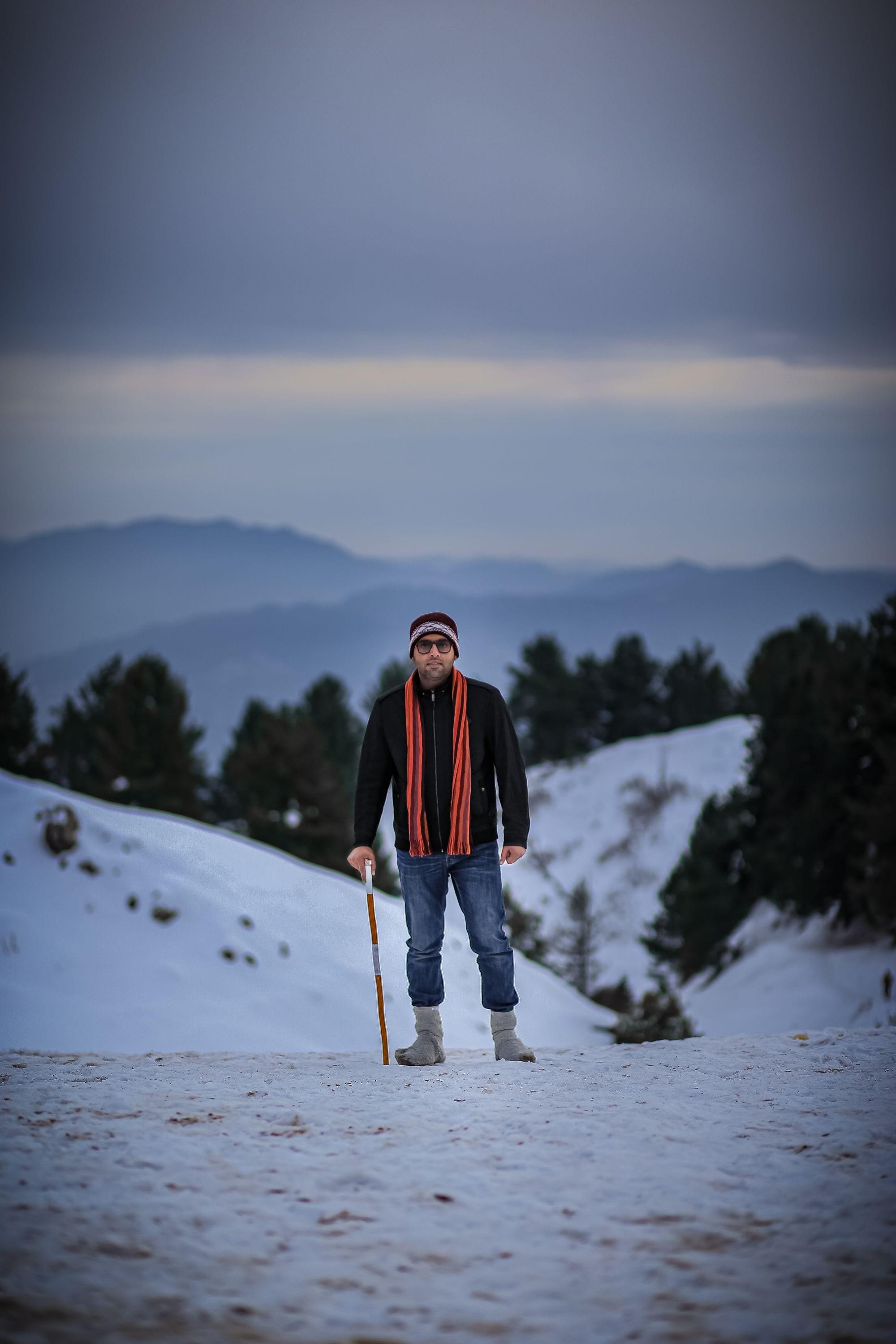
Pack for the night at the altitude you will sleep, not for the afternoon you leave Lahore. Nathiagali sits around 2,500 metres. Naran is similar, and the jeep to Saif-ul-Malook climbs toward 3,200. Kalam is near 2,000 metres and Mahodand is higher. Kumrat's forest is roughly 2,400 to 3,000 metres. Karimabad is about 2,500. Chitral town is lower, near 1,500, and still cool after dark. A July evening in any of these places can want a jacket. A January afternoon in Lahore has nothing to say about it.
Take layers you can wear at once. A shirt, a warm midlayer, and a coat that actually stops wind are enough for almost every published route between April and October. The coat can live in the jeep bag until the lake. People who pack only linen because the forecast at home said 40 degrees spend the sunrise at Saif-ul-Malook pretending they are fine. In October in Hunza, and in any winter trip to the Galiyat, the coat is not optional and the midlayer should be something you would wear in a Lahore January, not a hoodie from a summer shop.
Shoes are the other real decision. The forts, the pipeline walk at Nathiagali, and a short forest path in Kumrat are fine in a sturdy shoe with a grip. Jahaz Banda, a determined Mushkpuri morning, or any day you have asked us to make a hike, wants a boot you have already walked in. New shoes on a jeep track are how a good day becomes a blister. Sandals are for the evening at the hotel. They are a bad idea on a wet Mahodand track.
One small bag should be the bag that moves into a jeep. The main case can stay with the car in Kalam or at the Kumrat roadhead. If everything you own is in one hard suitcase, the jeep hour becomes a negotiation. Put medicines, a layer, water, and the thing you cannot lose in the small bag. Sunscreen and a hat matter more at the lake than they do on Mall Road, because the altitude does not care that the air feels cool. A basic personal medical kit, including anything you already take, is your job. We are not a pharmacy in Dir.
Documents are dull and necessary. Carry your CNIC. Checkposts on the way to Hunza, Chitral and sometimes closer in will ask. If anyone in the group is not a Pakistani national, the passport and the visa status need to be in the bag, not in a photograph on a phone with no signal. Cash still matters in Kumrat and at small tea stops. Cards are not a plan for a forest. Tell us if you prefer to draw money in Mingora, Dir or Gilgit so the driving day includes a bank rather than a hope.
Dress is ordinary. Shoulders and knees covered will keep you comfortable in bazaars and, more importantly, will keep a visit to the Kalash valleys from becoming the visit people talk about for the wrong reason. The Chitral and Kalash notes say this plainly: ask before a camera comes up. A festival is not a costume day for guests. If you are going for Chaumos or another date on the Kalash calendar, read what is welcome before you pack a lens longer than your manners.
Children need the same layers and a simpler day. The Galiyat and lower Swat are the kindest first trips. Hunza in five days is a lot of car. A child who gets carsick should be in the front conversation when we design the stops, not a surprise at Besham. Older parents need ground-floor rooms and driving days that end before dark. Both of those are notes in the planner, and they change the hotel more than they change the valley.
Leave these at home: a second pair of formal shoes, a drone you have not checked the rules for, and any plan that depends on a mobile signal in Kumrat. A power bank is worth the weight. A library of outfits is not. The north in these trips is a road, a room, and one good walk. The route pages say what that walk is. Pack for that, and for the night after it, and you will have packed enough.
A last note on bags and the vehicle. Four people and a driver already fill a comfortable car before the shopping starts. Soft bags stack. Hard cases of the size people take to a Gulf airport do not, and they turn a Hunza stop into an exercise in shutting the boot. If you are buying shawls and dried fruit, buy them on the way down, when the case has a known amount of space, not on the first afternoon when the boot still has to close for three more days. We will leave room for that. We will not strap a second wardrobe to the roof and call it a scenic extra. Tell us in the brief if someone is travelling with a musical instrument, a child's car seat, or medical equipment that has to ride inside. Those are planning facts, the same as the hotel floor.
Planning a trip
Tell us the shape. We will price the road.
A short brief, emailed to the desk and back to you. A person replies. Nothing is booked from the form.
Keep reading
More from the journal.
Planning4 min read
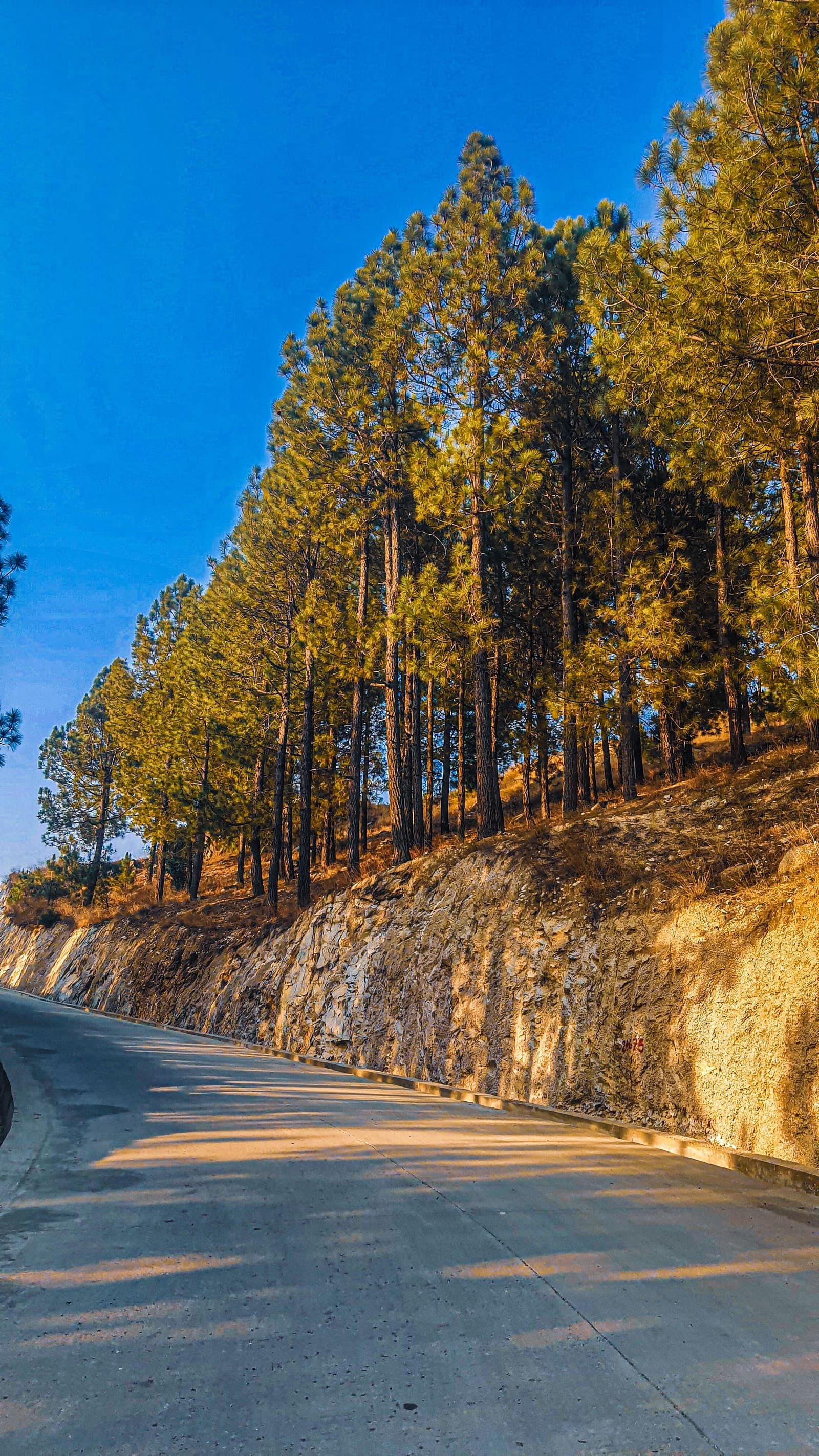
How a custom tour brief becomes a plan
What happens after you send the Eventures Club tour planner, which fields change the price, and why the email you receive is a copy of the one we get.
Read
Planning4 min read
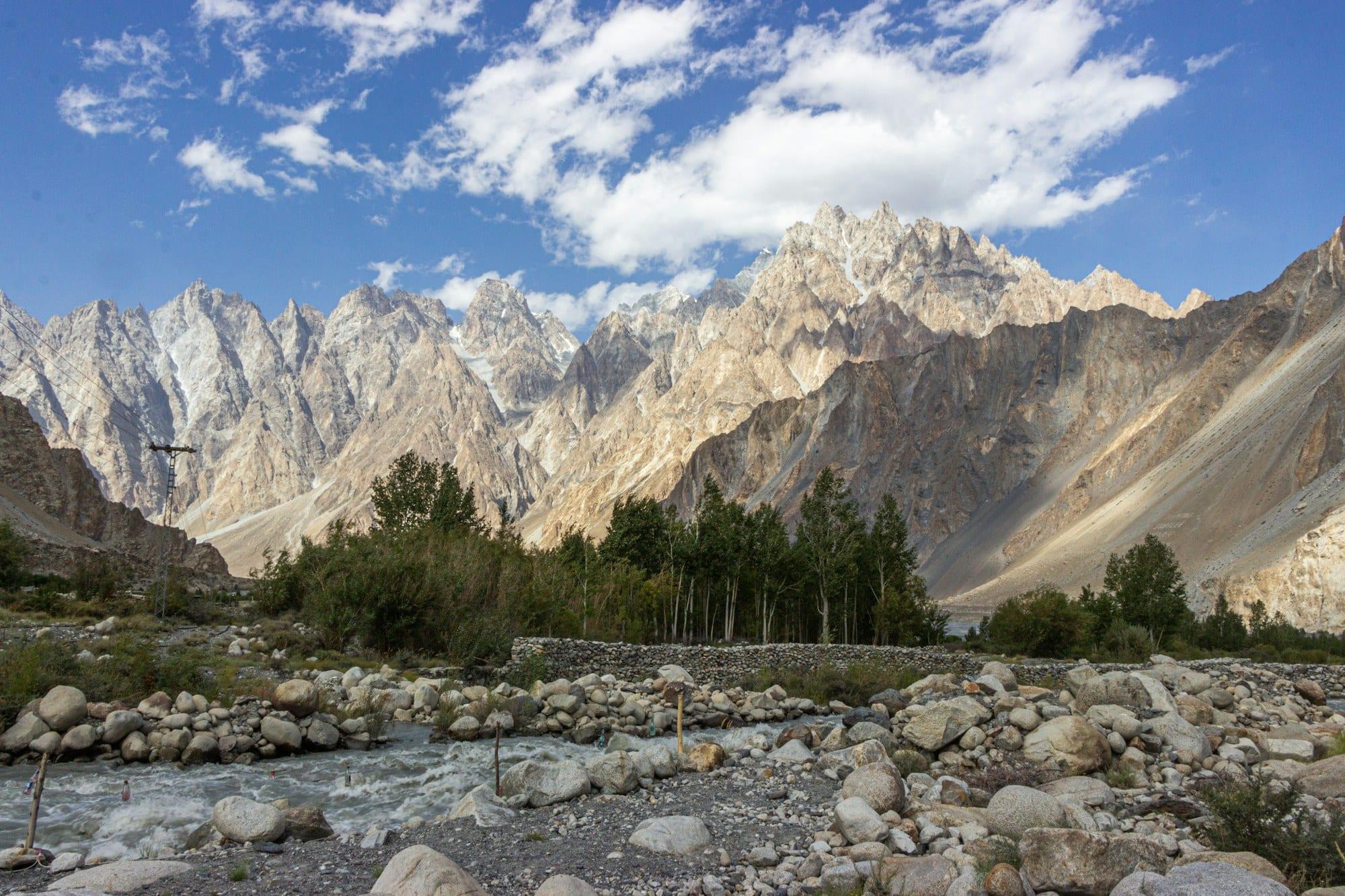
How to plan a northern Pakistan trip from Lahore
A practical order for planning Hunza, Swat, Kumrat, Naran or the Galiyat when you are leaving from Lahore, including drive time, group size and what a starting price actually covers.
Read
Events4 min read
A nikah in the mountains, without pretending it is simple
When a small nikah in Nathiagali, Swat or Hunza works, when a full wedding should stay in Lahore, and what the event brief needs to ask.
Read